Welcome & News › Forums › Alumni Discussion Board › Centenary Conference › Reply To: Centenary Conference

I just thought I should give you some of my personal impressions of the Centenary Conference, on the primary basis that I am probably the least qualified attendee to do so. For sure, no one can accuse me of having any particular vested interest in the politics v humanitarianism debate.
If you don’t know anything about the conference at all, please check out the programme here: https://www.savethechildren.org.uk/content/dam/gb/reports/policy/phcr-conference-programme-april-2019.pdf.
First, on a practical level the event itself was very well organised, hardly a hiccup in sight. As someone who in the commercial sector routinely puts on comparably sized conferences around the world (I’ve done Heathrow, Bangkok and Hyderabad in the last 6 months), the logistics from venue choice to feeding to lighting and seating are themselves all ample opportunities to mess up, before you get anywhere near the content and speakers. But all bumped along splendidly.
I think one important message to the alumni as a collective is the genuine and heartfelt respect they are held in by current staff and the academics involved. ‘Standing on the shoulders of giants’ was a phrase used more than once. And though of course individuals were singled out, there was much appreciation for the overall level of thought and analysis that had gone into our work over the years. Mistakes there were along the way of course, but so much of which to be proud.
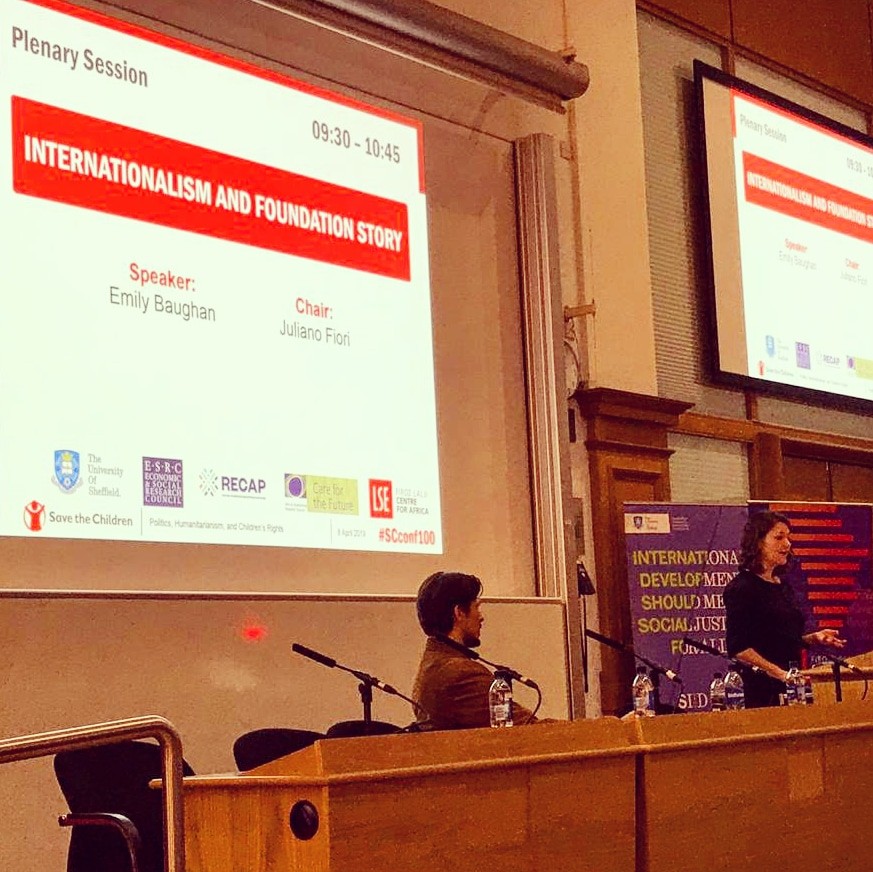
The conference kicked off with a review of the ‘creation story’ or perhaps ‘myth’ might be a better phrase. Dr Emily Baughan, Lecturer in Modern History, University of Sheffield gave an insightful and engaging analysis of what we did and didn’t know. She framed the sororal debate not in terms of personalities, but rather the politically focussed Dorothy working with the more broadly humanitarian Eglantyne. Politics v humanitarianism from the outset; a recurring discussion of the last 100 years, and the theme for the conference.
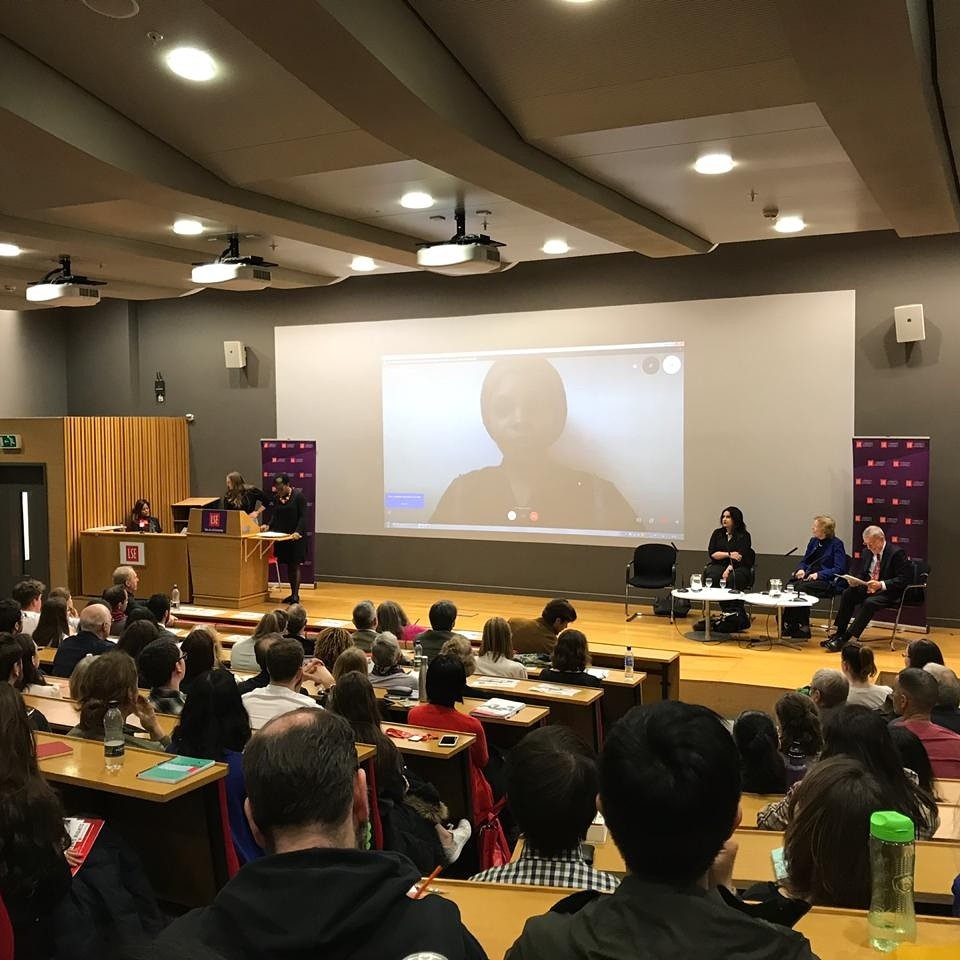
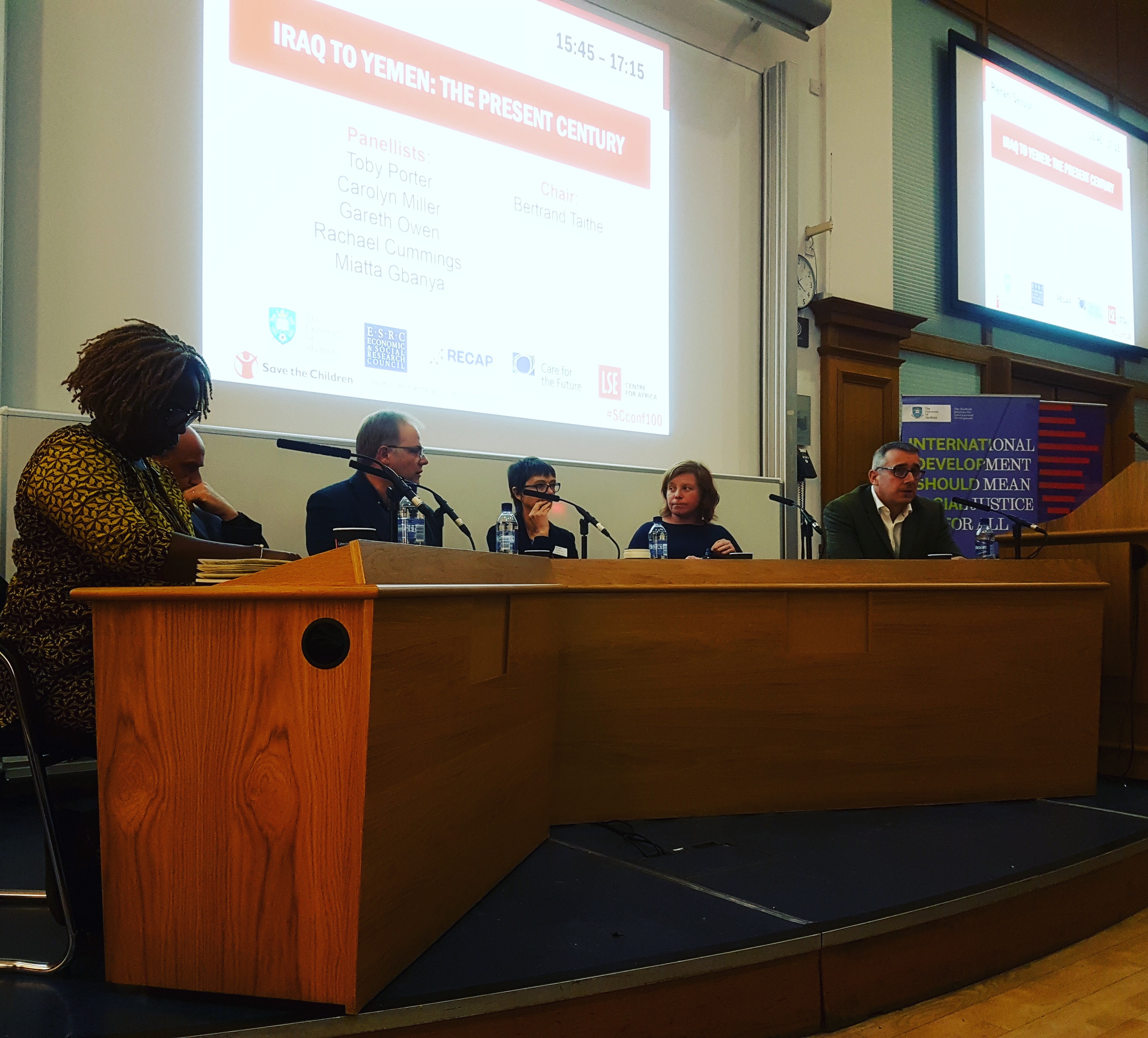
There were 6 open plenary sessions, which picked particular periods from our history, starting with Biafra and moving right through to Yemen. The quality of the panellists ranged from very good to outstanding. I think the primary challenge was that some of the panellists simply knew too much. How can you possibly sum up huge chapters of work in a few pithy sentences? The acronyms flew. When we were rushing from the TPLF to REST, some wit next to me whispered ‘TPLF. Weren’t they the splitters?’ in true Python-speak.
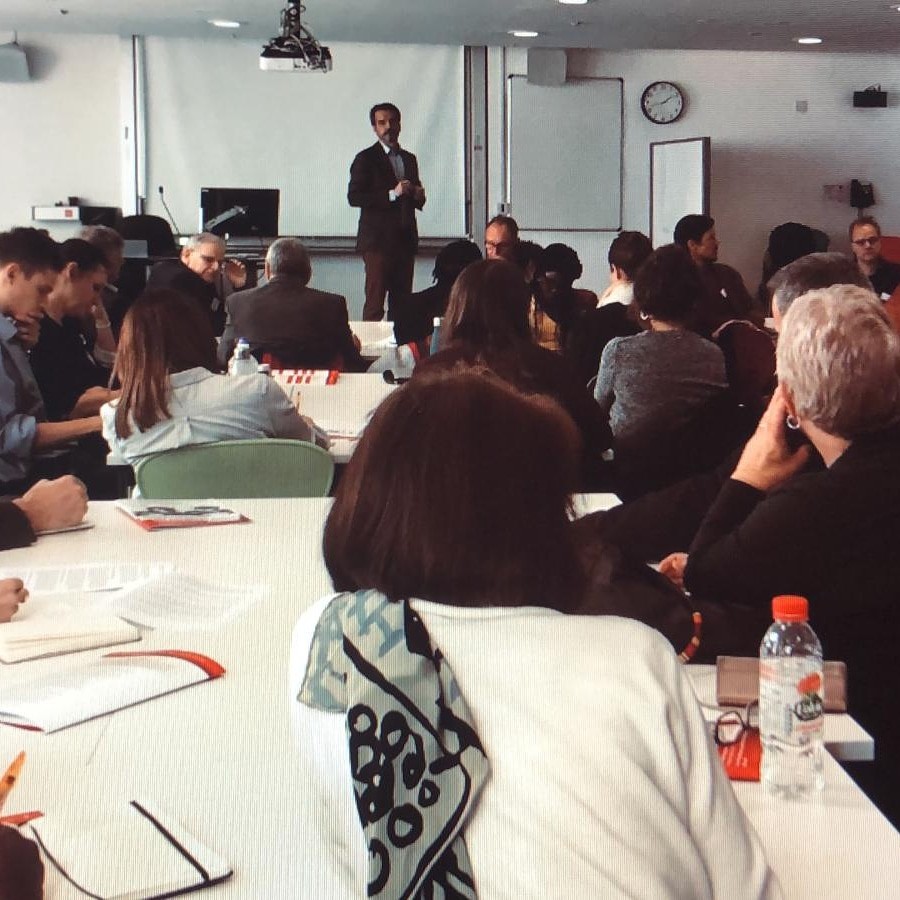
There were also a series of workshops. I particularly enjoyed ‘Aid in the Archives’ and on a personal note it felt so right that the late Rodney Breen received a high number of name checks.
I think for the alumni this was one of the most important sessions, and it set me thinking on what we could do with the archive. More on this to follow, but perhaps as a group we could focus on specific events in turn starting with maybe Biafra and find a way of improving the archive for that period? With the huge collective knowledge of the Alumni Association, there must be something we can do? Thoughts appreciated
If that workshop was essentially retrospective, the other workshop I attended was looking the other way, the future of innovation in the aid sector. We did spend time looking at the past to see what lessons could be learnt. One of the things that emerged was simply how much innovation there had been. The look on the faces of some current staff when they discovered we once had an aircraft was worth the admission price! But lots of forward looking too. Climate change. internet 5g. Different donors.
The second day of the conference was I think even stronger than the first. It ended up with another panel which really clicked. All the panellists were good, but particular highlights were Shaheed Fatima, a barrister from Blackstone Chambers who was as outstanding as her CV (teaching law at both Oxford and Harvard). She and the alumnus Lewis Sida both received well-earned spontaneous mid-session applause for their insights. And one delicious moment right at the end when current staff gave each other more and more confidence to speak out. They were particularly frustrated at the current Trustees who they didn’t think added enough. They expressed their views forcibly – not realising that Charles Steel, the interim chair of the Trustees, was in the room. To be fair, he took the criticisms exceedingly well with a ‘judge me by my actions’ position.
And then there were thanks. Lots of thanks. All very well earned.
The great news is that if you want to watch it (again?!), the recordings are here:
Monday: https://www.youtube.com/watch?v=dGx3YKaNNC8&feature=youtu.be
Tuesday: https://www.youtube.com/watch?v=F45d9HgXAw4
And some pictures courtesy of Juliano Fiori – click on them for a better view: