Why Data and AI matter now
The world of humanitarian response is changing faster than most of us imagined – not just the dramatic changes in governmental funding.
Artificial intelligence — once the domain of labs and data scientists — is now shaping how we understand drought, deliver vaccines, and track the movements of displaced families. For those of you who’ve worked in the field, this change can feel distant or abstract. But AI is already influencing decisions that affect millions of people.
Here is some evidence of what AI coupled with traditional data gathering is already achieving, and how it is being developed:
- The UN’s Food and Agricultural Organisation (FAO) uses AI analysis of satellite photography as part of its Global Information and Early Warning System on Food and Agriculture (GIEWS). New AI projects (such as HYDRA-EO, launched in January 2026) will use hybrid machine learning to separate different stressors. This will allow the system to tell if a crop is failing due to water shortage (drought) or other factors like pest infestation or nutrient deficiency, which often look similar in basic satellite photos.
- A new AI-driven early warning system is using news data to predict food crises up to 12 months in advance, enabling faster, proactive responses. Here is a link from VoxDev that sets out a real AI predictive case-study in South Sudan. The fall armyworm–a lepidopteran pest native to the Americas–began spreading across 20 countries in Africa, decimating crop yields. In South Sudan’s Yambio county, AI-based analysis identified that news mentions of pest-related terms peaked five months before the area’s IPC classification escalated from the ‘stressed’ to ‘crisis’ phase.
What this space is for:
- To demystify what AI really is, in plain language.
- To connect alumni insight with current research and innovation.
- To show how field experience can make AI better — fairer, wiser, and more humane.
We believe the humanitarian community has something unique to offer: not more algorithms, but real-world judgment. How accurate is the data? How meaningful is the forecast?
The site already embodies three ways in which AI can if managed appropriately be a useful tool for humanitarian initiatives:
- The site itself was developed working closely with AI. Specifically, ChatGPT wrote all the code that enables us to link automatically to News sites, as well as the code to link to job offers from NGOs and indeed linking to the WFP data sets that are shown below. A human worked closely with AI, asking (‘prompting’) for specific requirements and testing the AI-generated code, which was both excellent and flawed in roughly equal measures.
- The News Archive section can now be accessed by our first AI tool – our Research Assistant Eglantyne – which we will improve with usage and feedback. This tool has ‘read’ all the new items in our ever-growing archive and can analyse and discuss these with you, in a manner very different to Google searching. You could for example start a discussion ‘What are the main themes you see in the news coverage of MSF’s work in Palestine these last few months?’
- We have linked to WFP datasets by their kind permission. These datasets include data some of which was harvested by AI in terms of analysing images of food growth, as well as forecasts prepared by AI. Healthy skepticism is the only approach which will enable improvement – how reliable is the data, what don’t the forecasts consider? We will link to more datasets from WFP and other organisations in the future

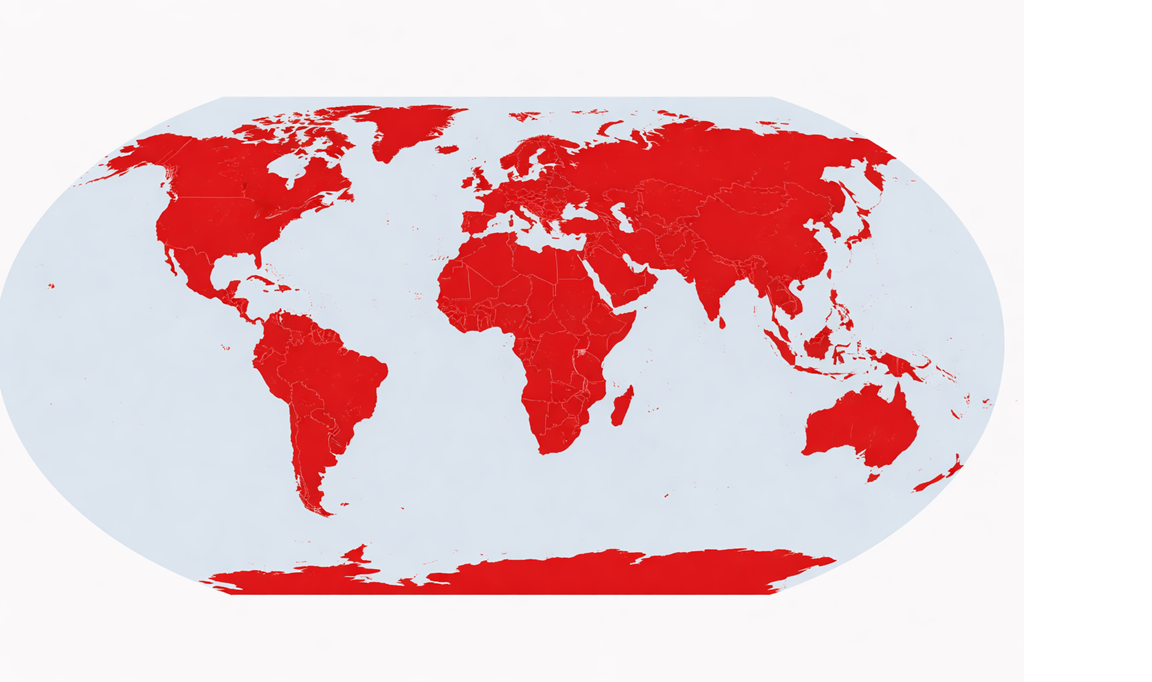
Please click the WFP logo on the left to link straight to their fantastic Food Security model – a mixture of traditional data gathering and analysis together with AI. Thanks also to the WFP for providing their detailed data which we are representing in a similar image form – maps and graphs – if you click the world map below. Please note that all images are the responsibility of Save the Children Alumni Association and not the WFP. See our legal disclaimer on ‘About This Site’ .
Click on the map to go to our interpretation of WFP data feeds.